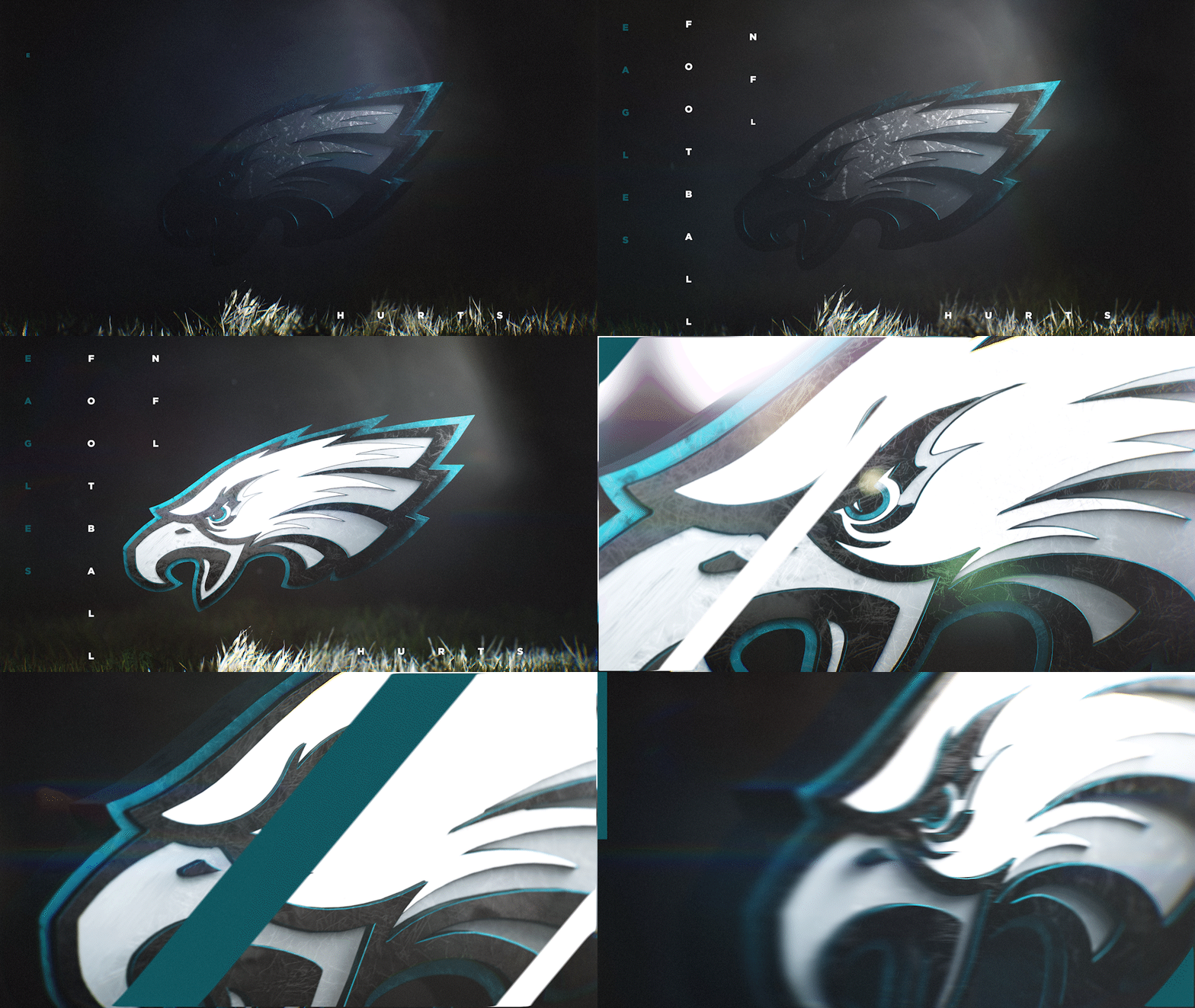
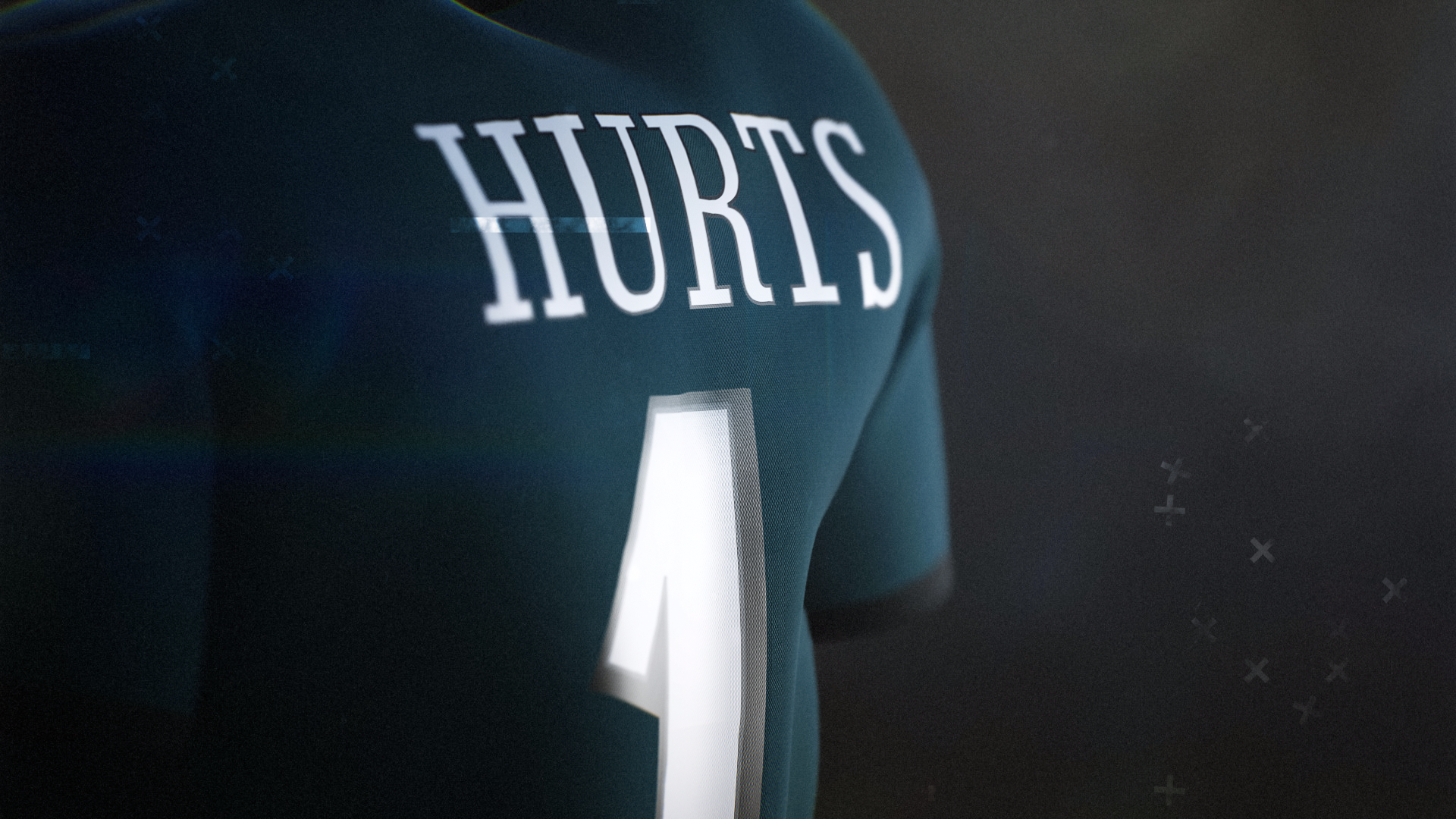
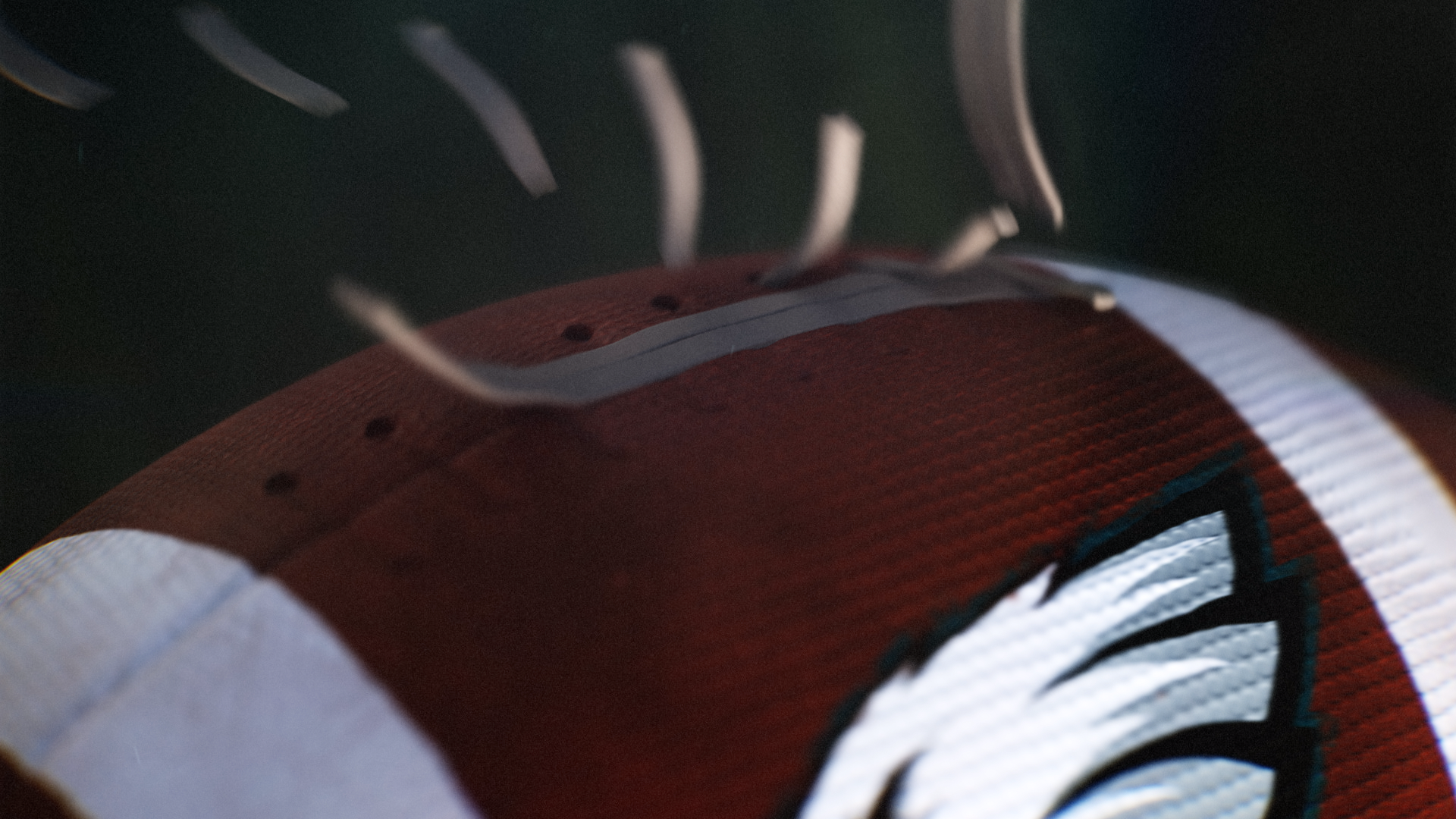
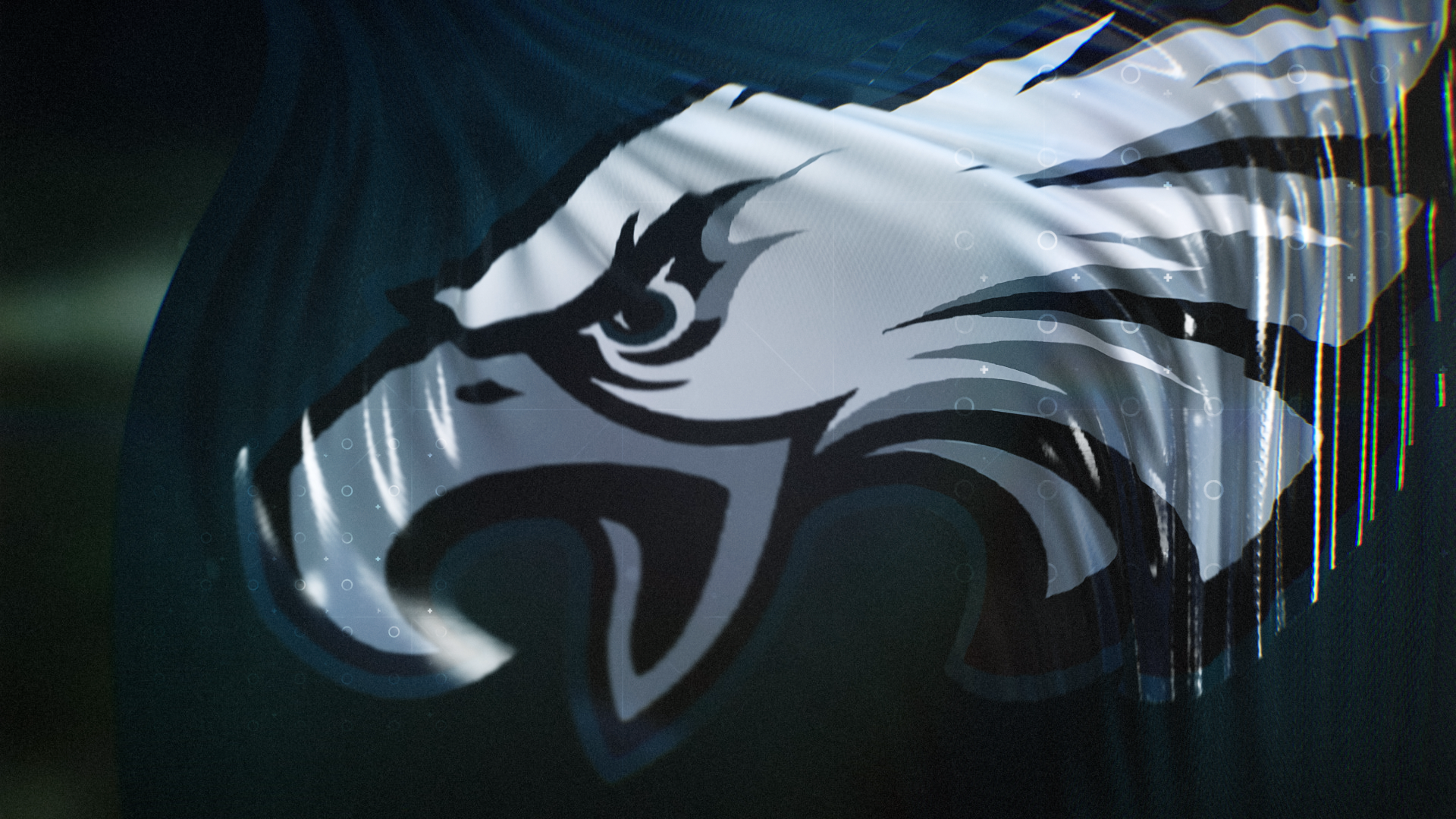
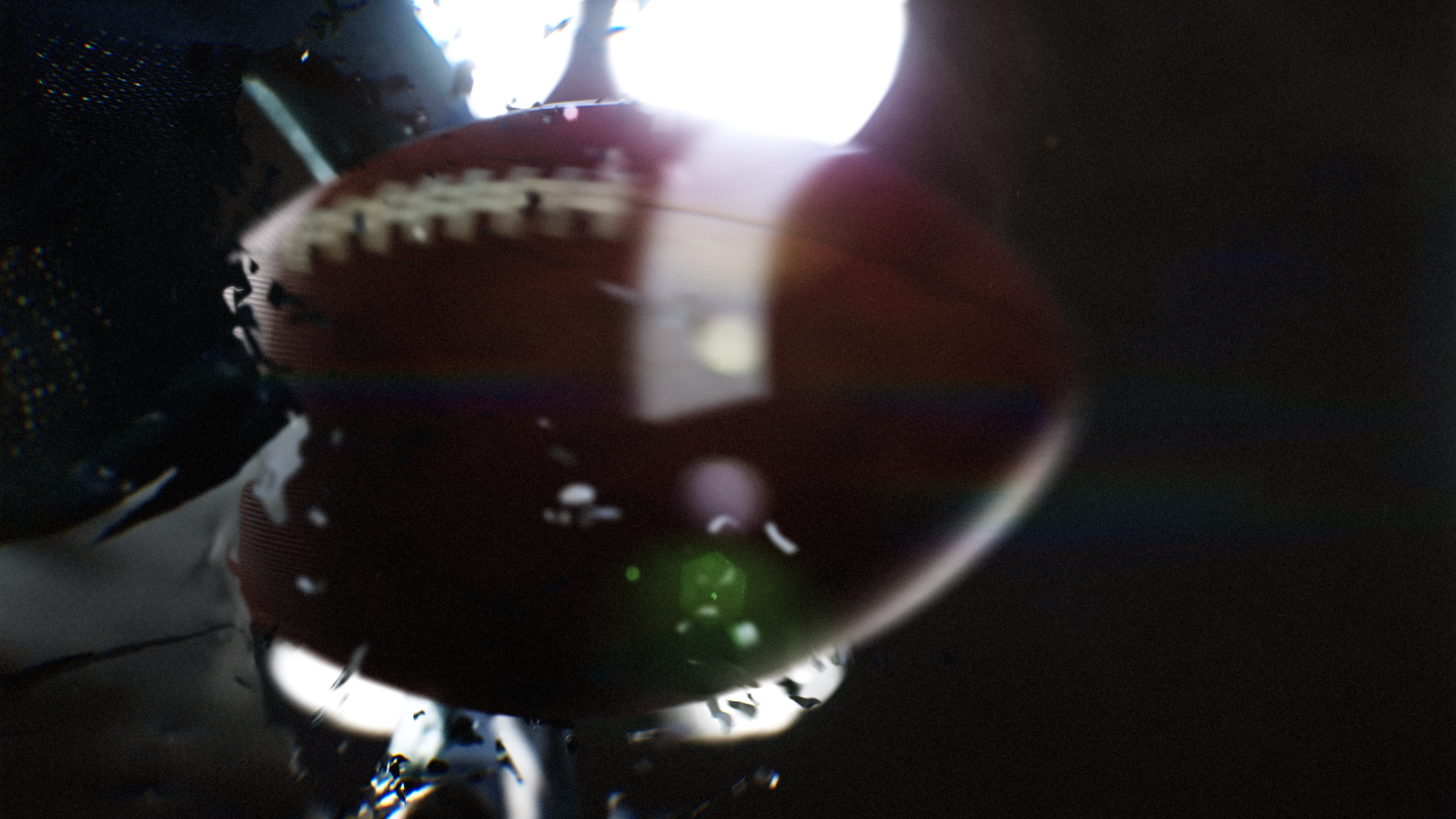
Eagles
Process Breakdown
Project Role: Art Direction & Senior Motion Designer
Formats: 16×9, personal exploration
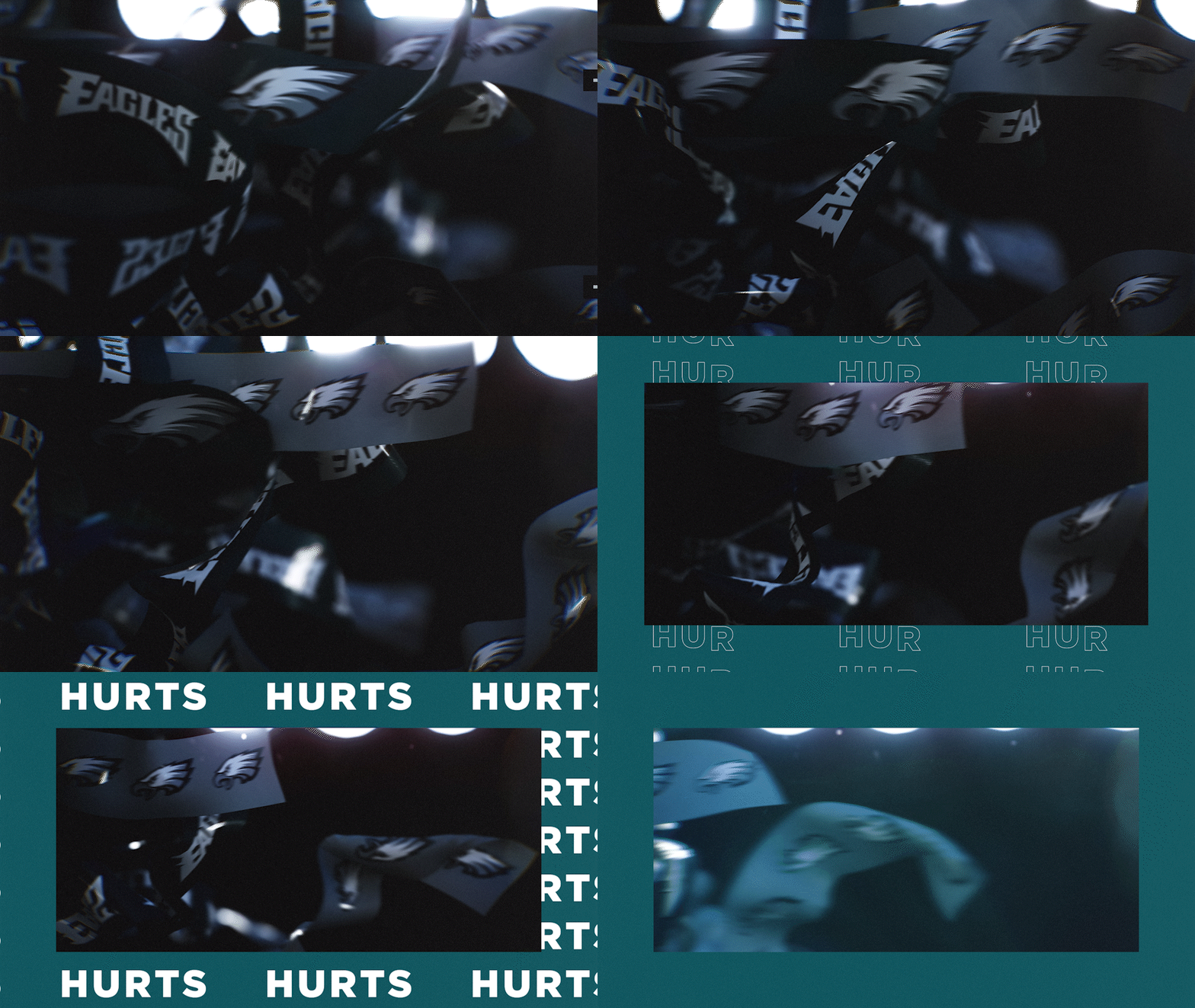
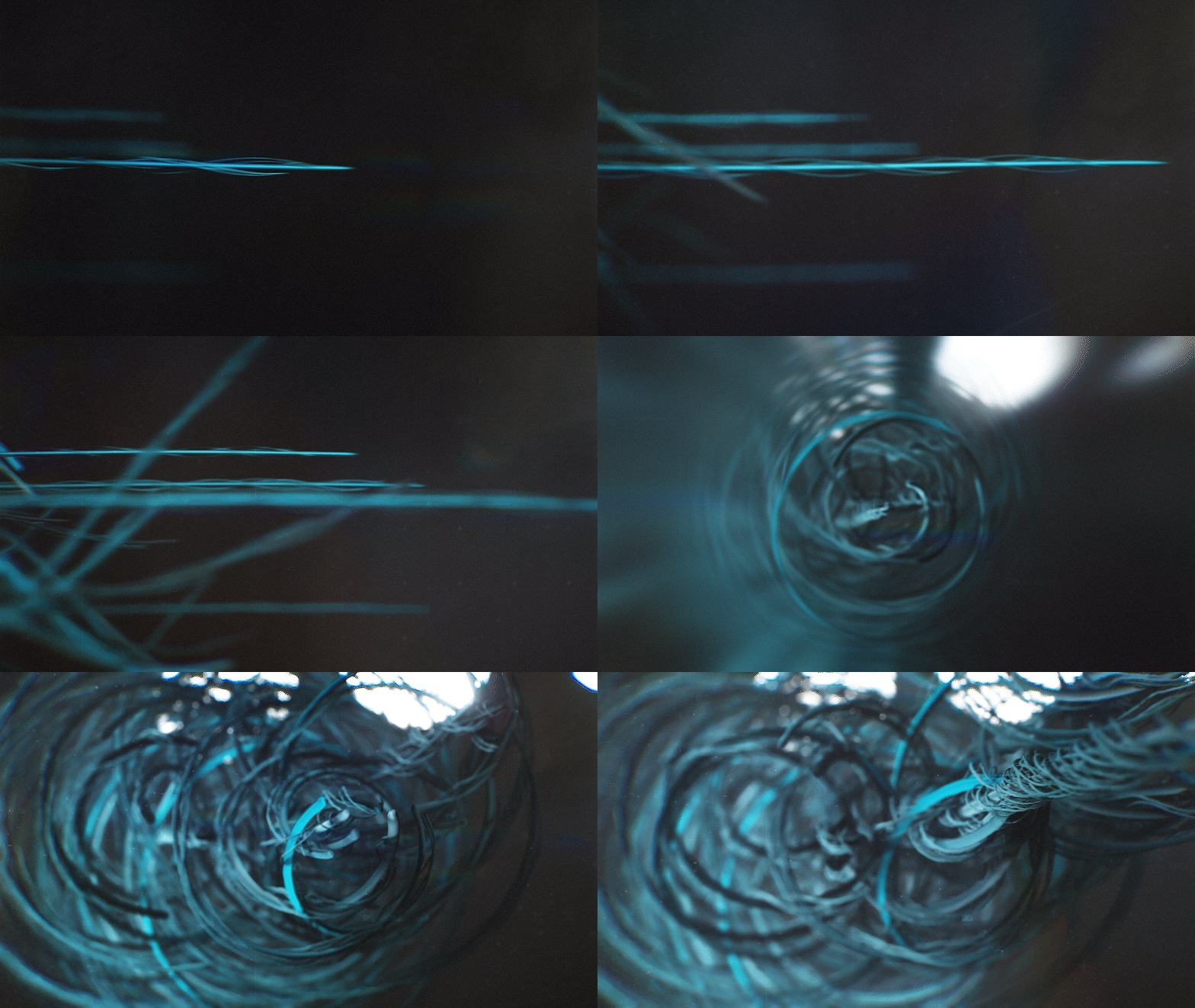
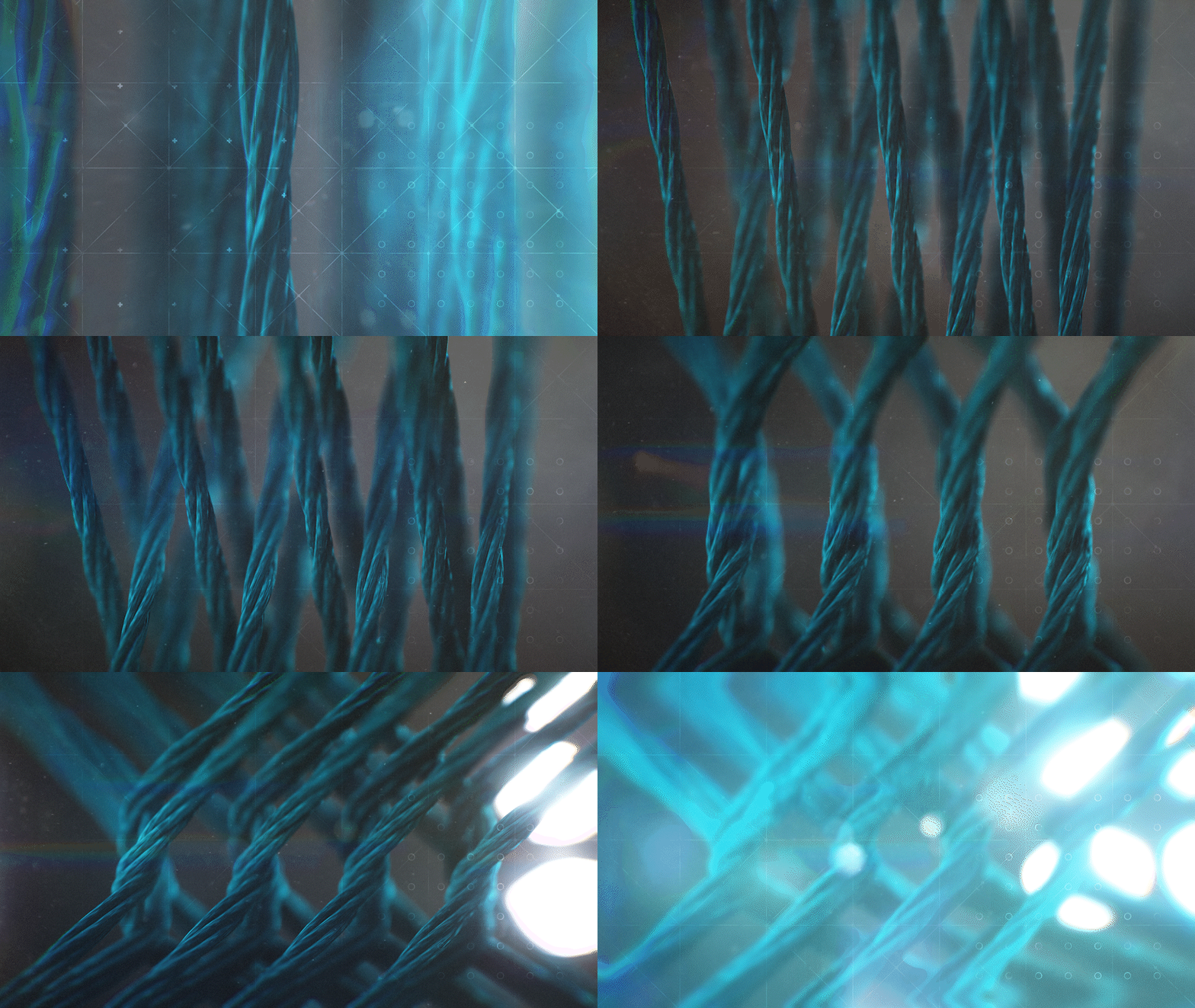
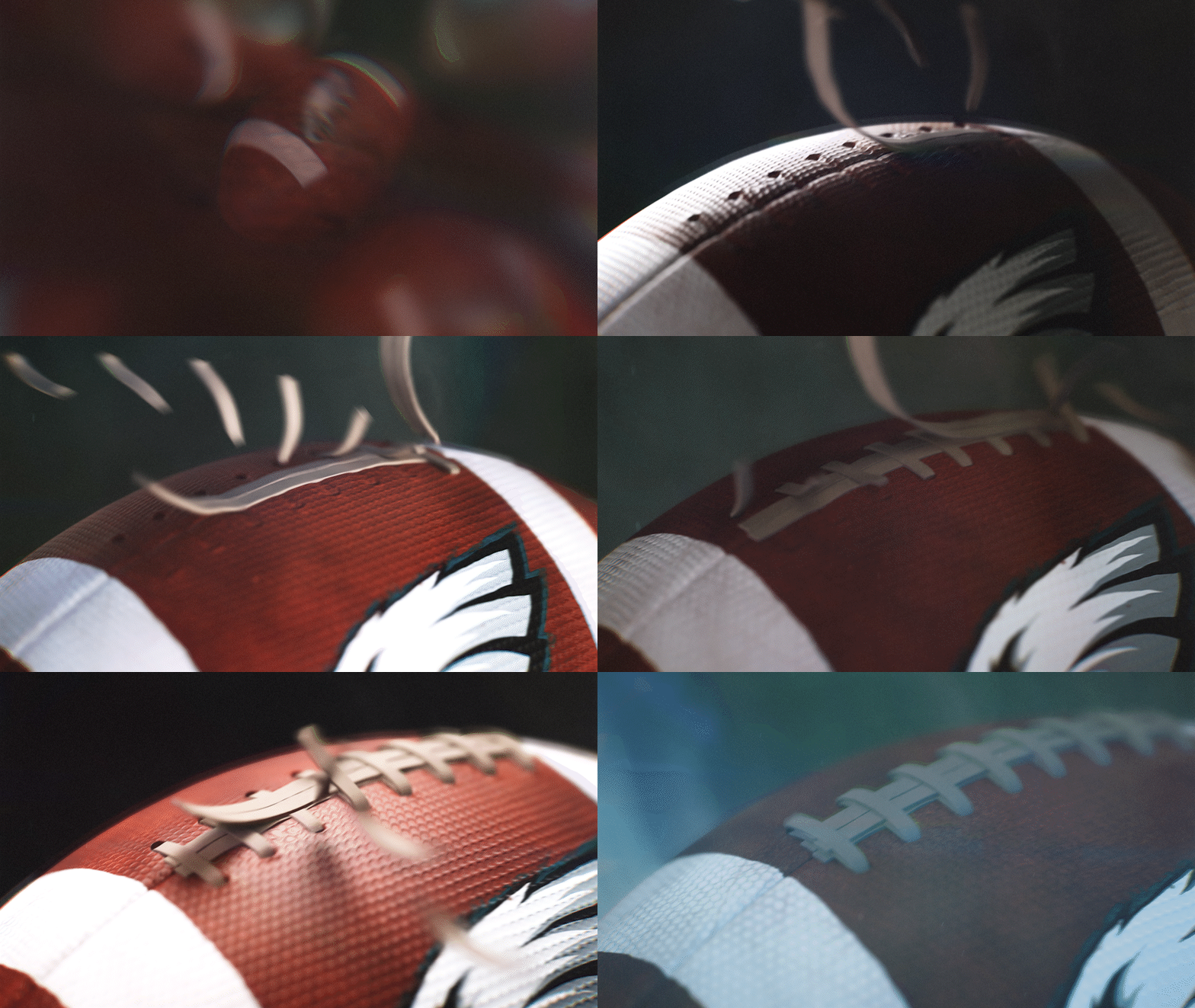
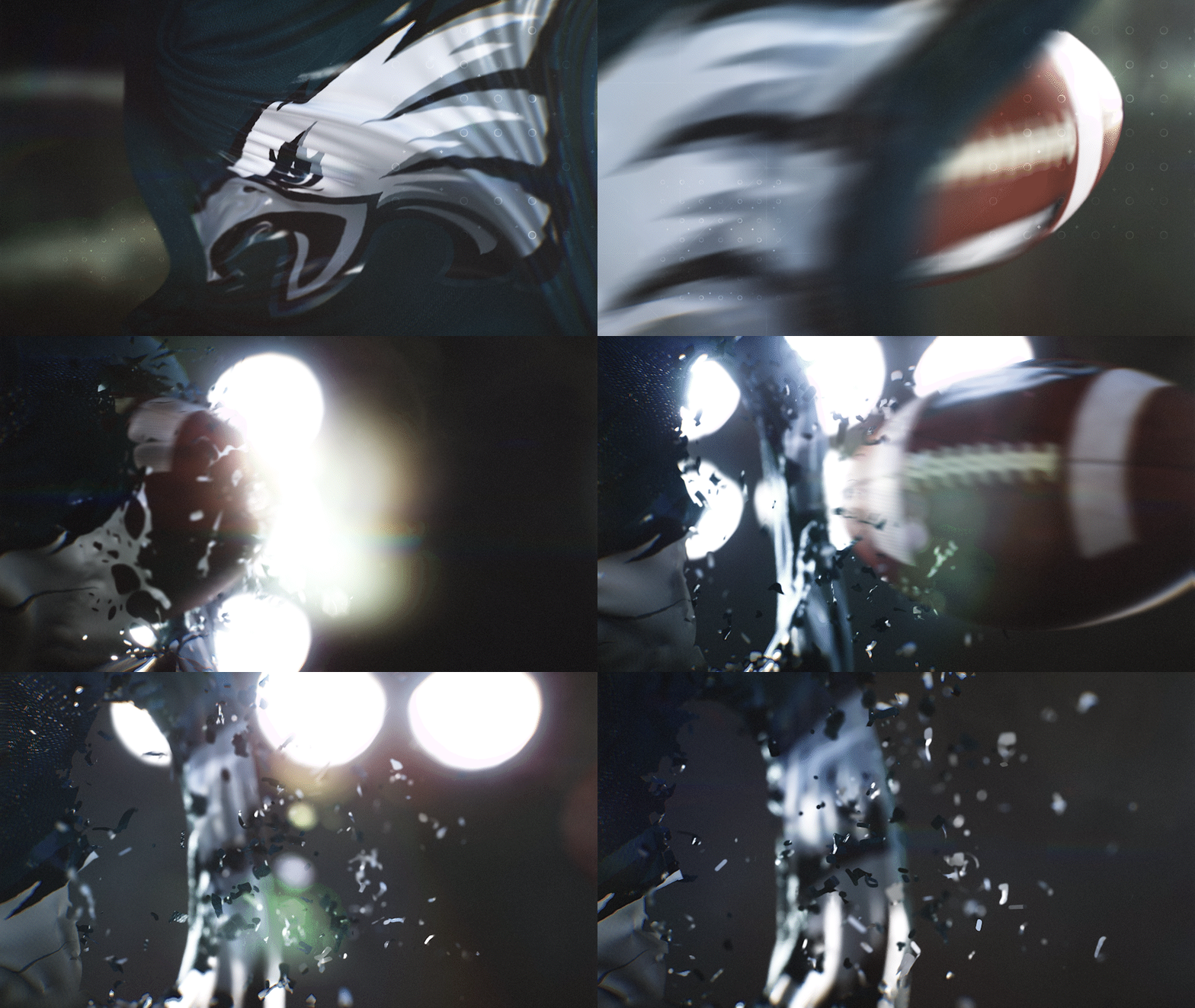
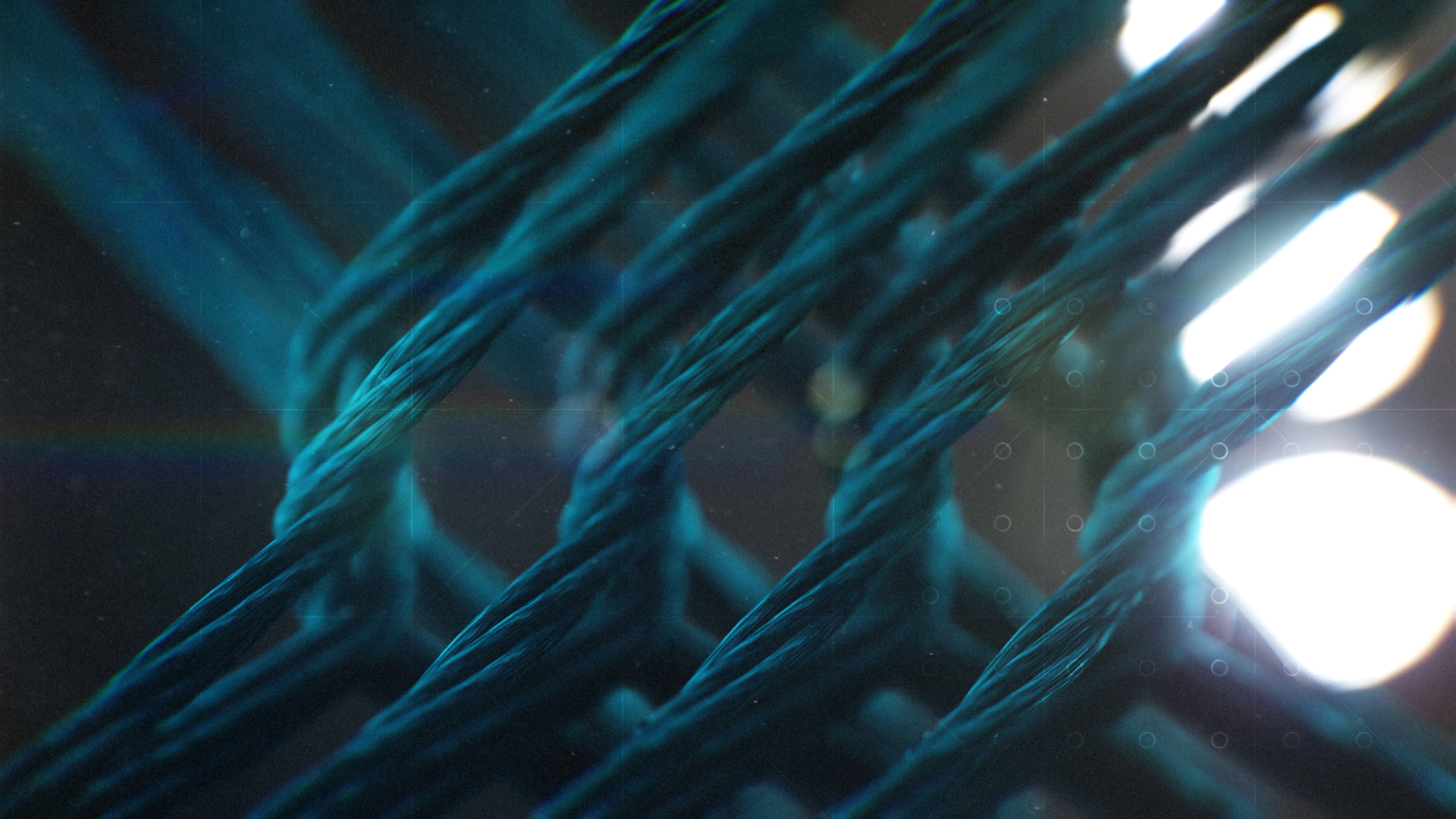
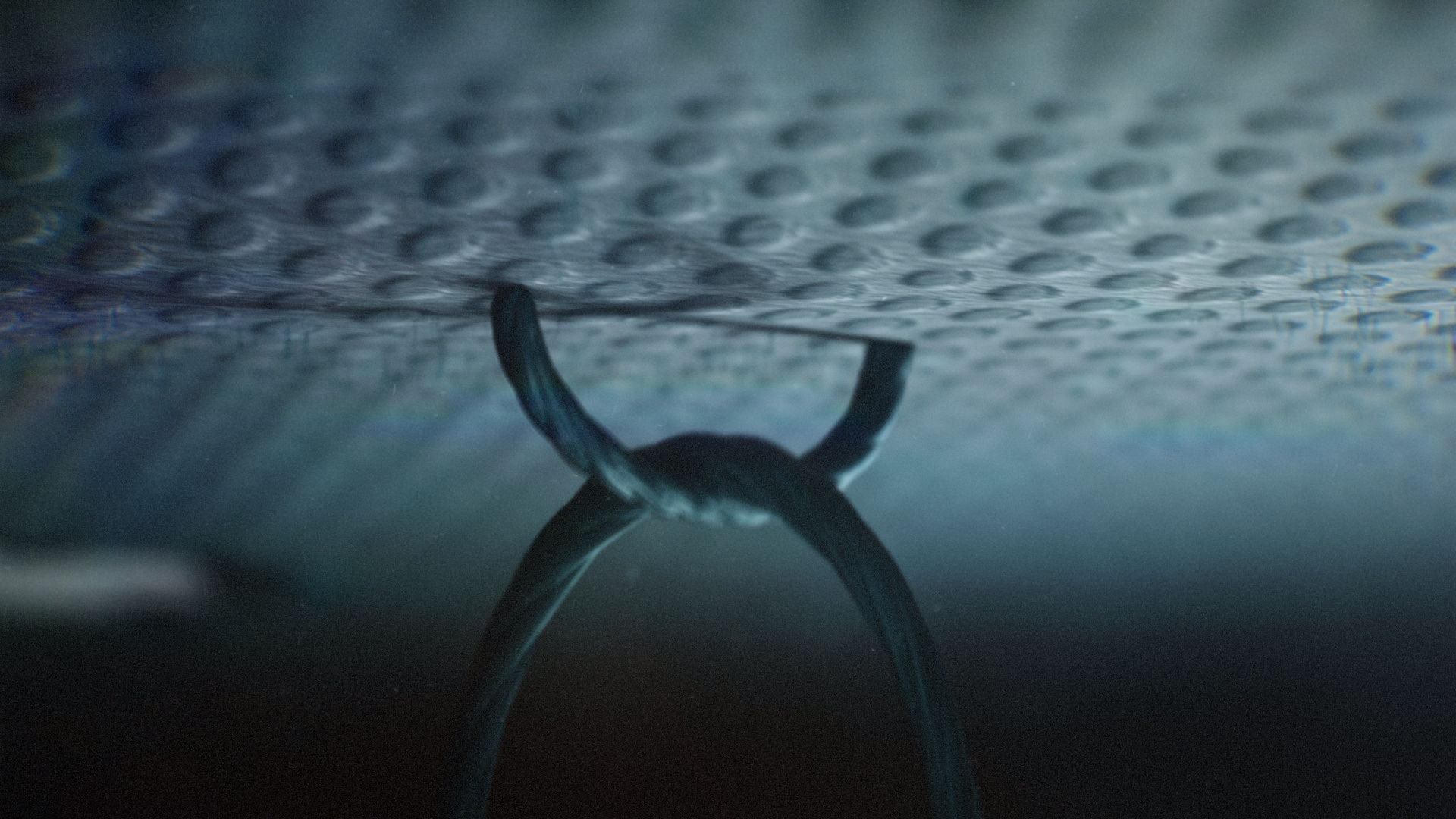
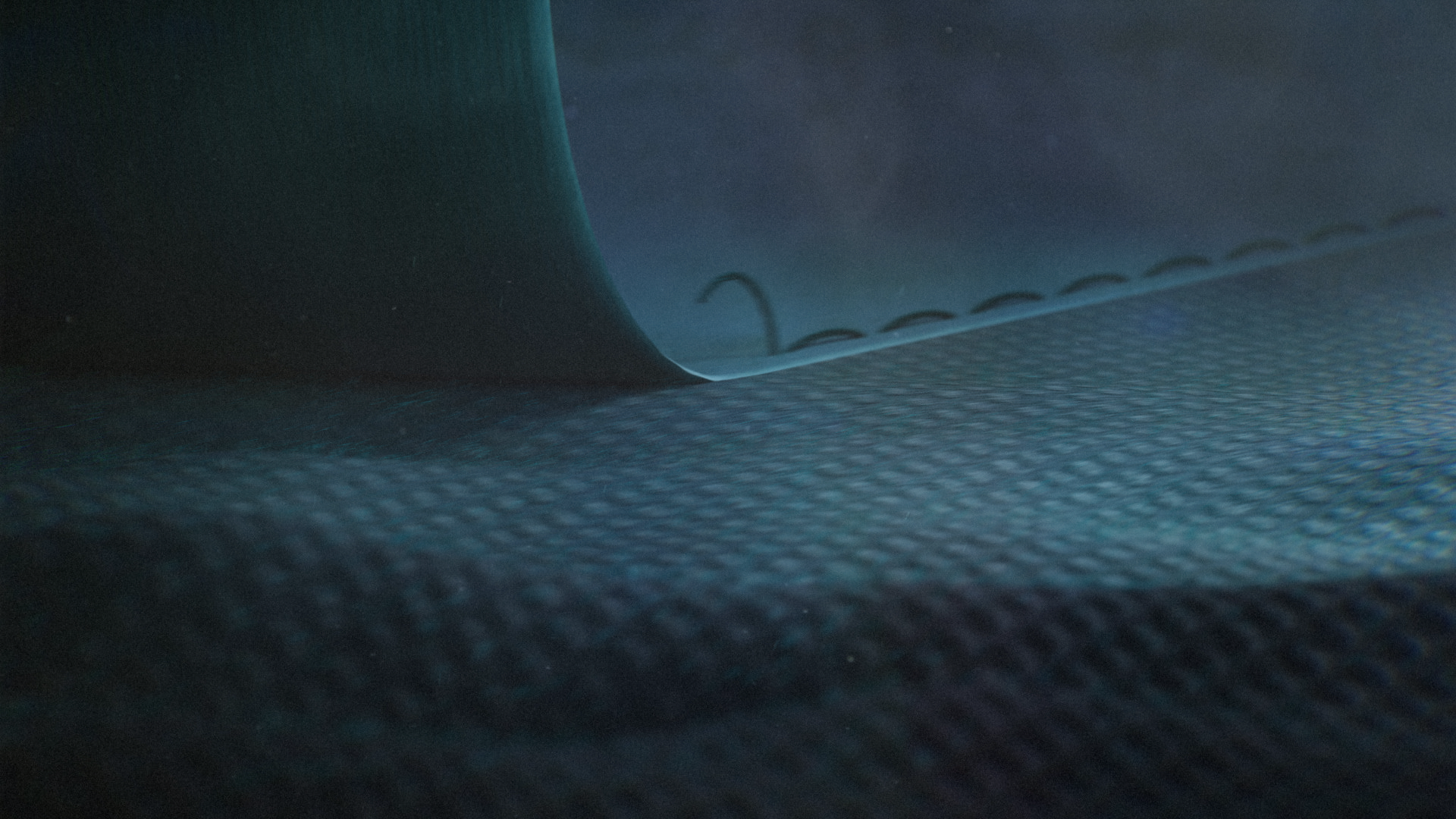
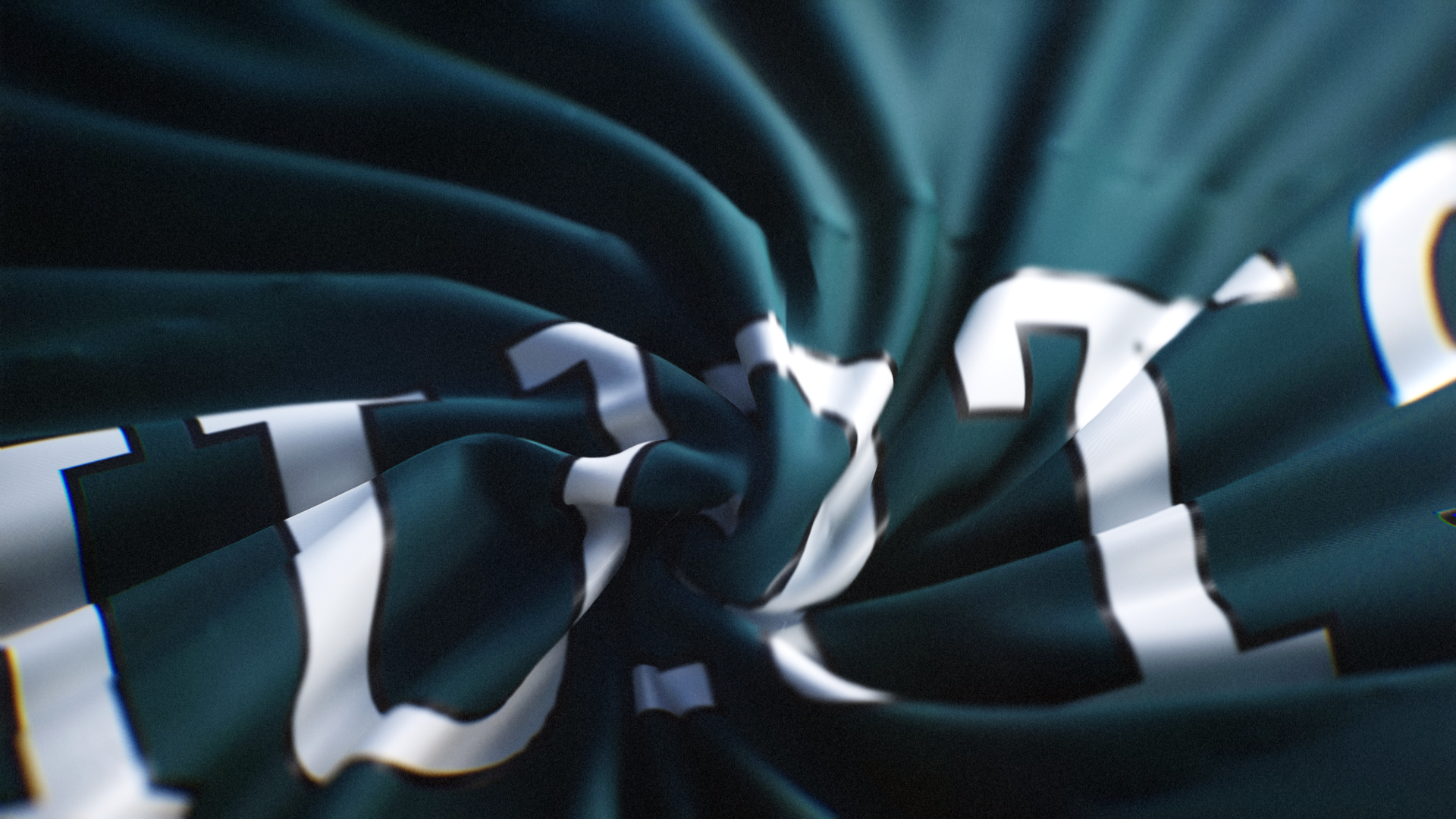
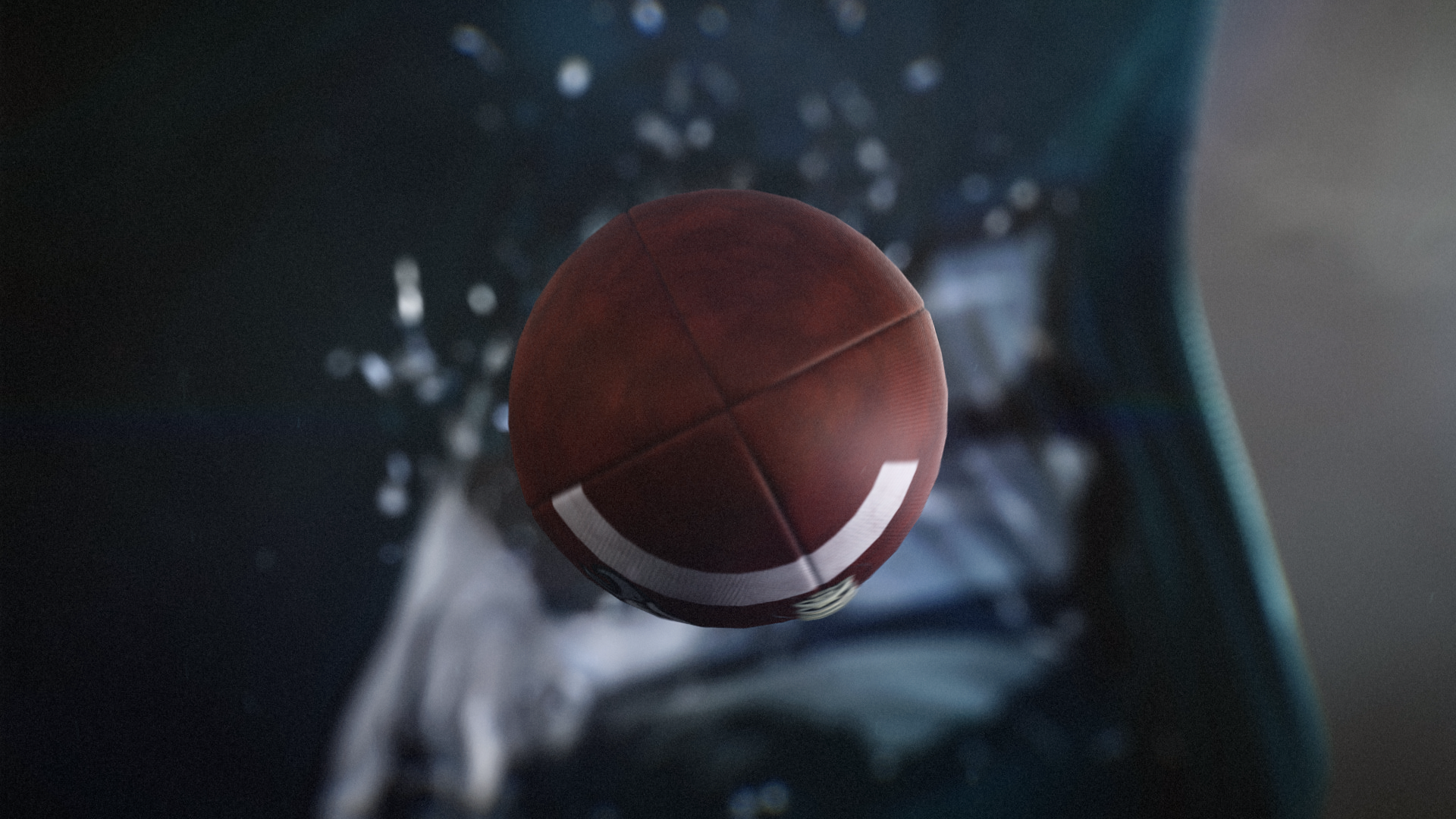
This personal exploration focused on testing Unreal Engine as a real-time tool for sports-focused motion design.
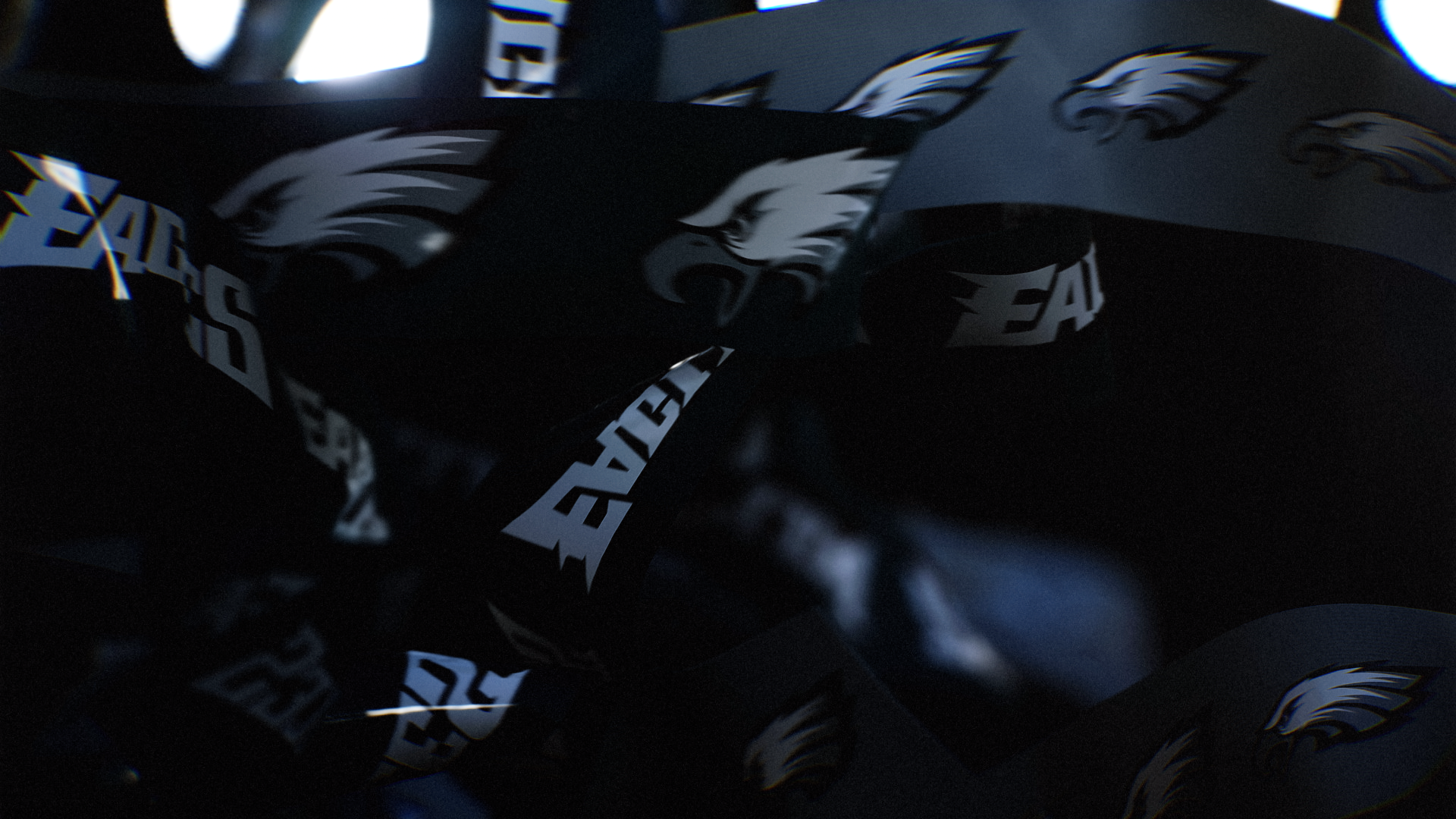
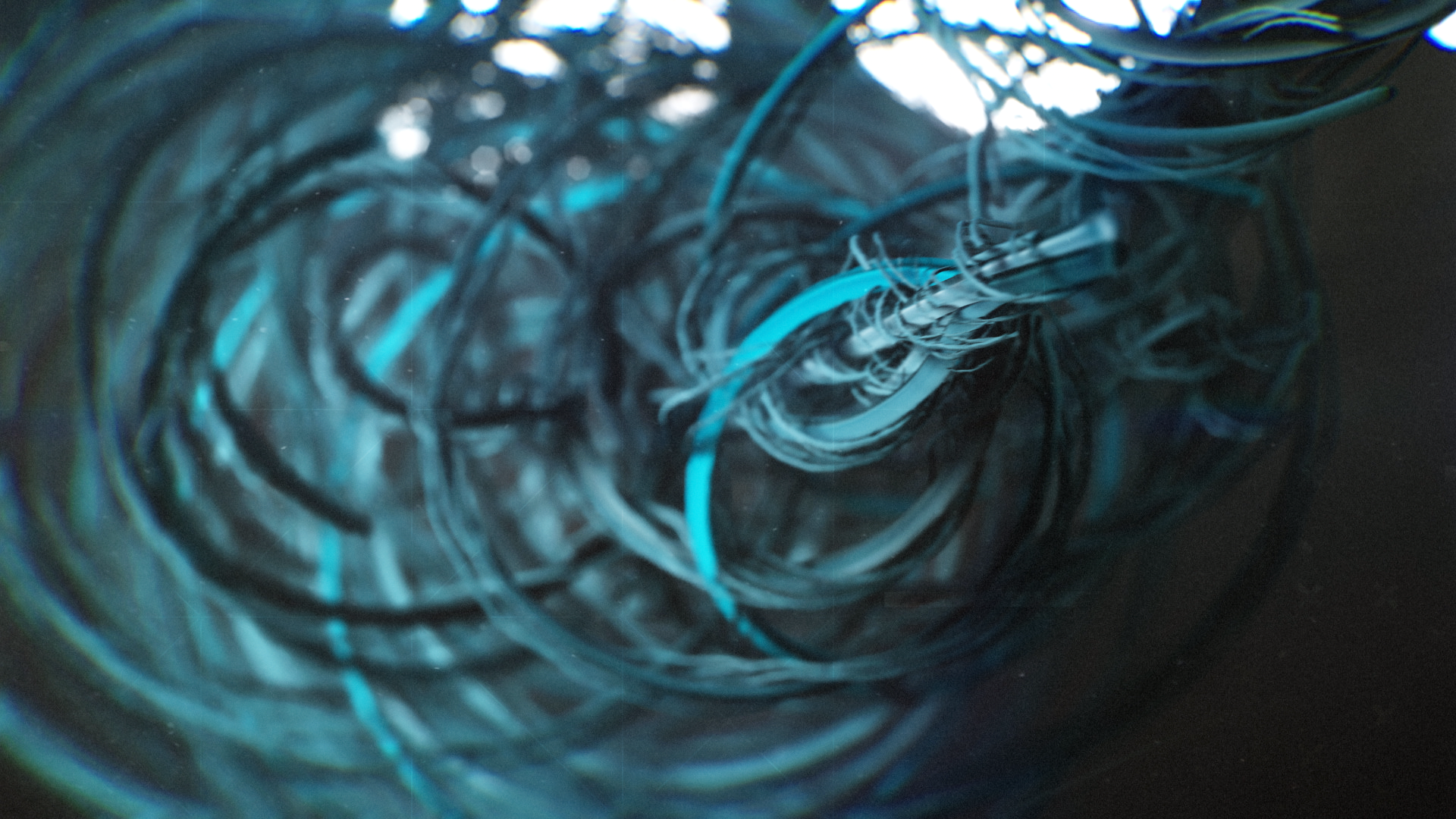
The objective was to evaluate how real-time rendering and animation workflows could support high-energy sports visuals. Using a combined Cinema 4D and Unreal Engine pipeline, the project explored animation transfer, material response, lighting behavior, and render performance within a real-time environment.
Rather than approaching the work as a standalone visual exercise, the exploration was framed around how real-time tools could complement traditional 3D pipelines for faster iteration and responsive sports content.
Challenges & Solutions
Adapting to Real-Time Rendering Constraints
A primary challenge was working within Unreal Engine’s real-time rendering framework, particularly around material creation, lighting calibration, and performance considerations.
To address this, materials and lighting setups were iteratively refined to balance visual quality with real-time efficiency. This process helped establish a clearer understanding of how to maintain a polished look while respecting the constraints of a real-time engine.
Integrating Animation Into Unreal Engine
Another challenge was understanding how animation systems behave within Unreal Engine compared to offline 3D tools.
Through testing and iteration, animation workflows were adapted to function reliably in a real-time context. This allowed the motion to retain energy and clarity while remaining stable and performant within the engine.
Result
The final piece demonstrates Unreal Engine’s potential for real-time sports motion design. The exploration expanded practical knowledge of animation, lighting, and rendering pipelines within Unreal, informing future workflows that blend real-time tools with cinematic motion design for sports and product-focused content.