
Warrior | Burn X Helmet
Full CGI Tech in 3D
Live Action & 3D Integration
Process Breakdown
Project Role: Art Direction & Senior Motion Designer
Formats: 16×9 and 9×16, delivered as both full CGI and live-action–integrated versions for Instagram and marketing presentation use
I was responsible for art direction and motion execution, shaping the project from early concept through final delivery while collaborating closely with a cross-functional team.
The project was developed in two parallel versions: a fully CGI execution and a live-action–integrated version combining filmed footage with 3D elements. The goal was to present the helmet with a premium, technically grounded aesthetic while maintaining flexibility across social and presentation contexts.
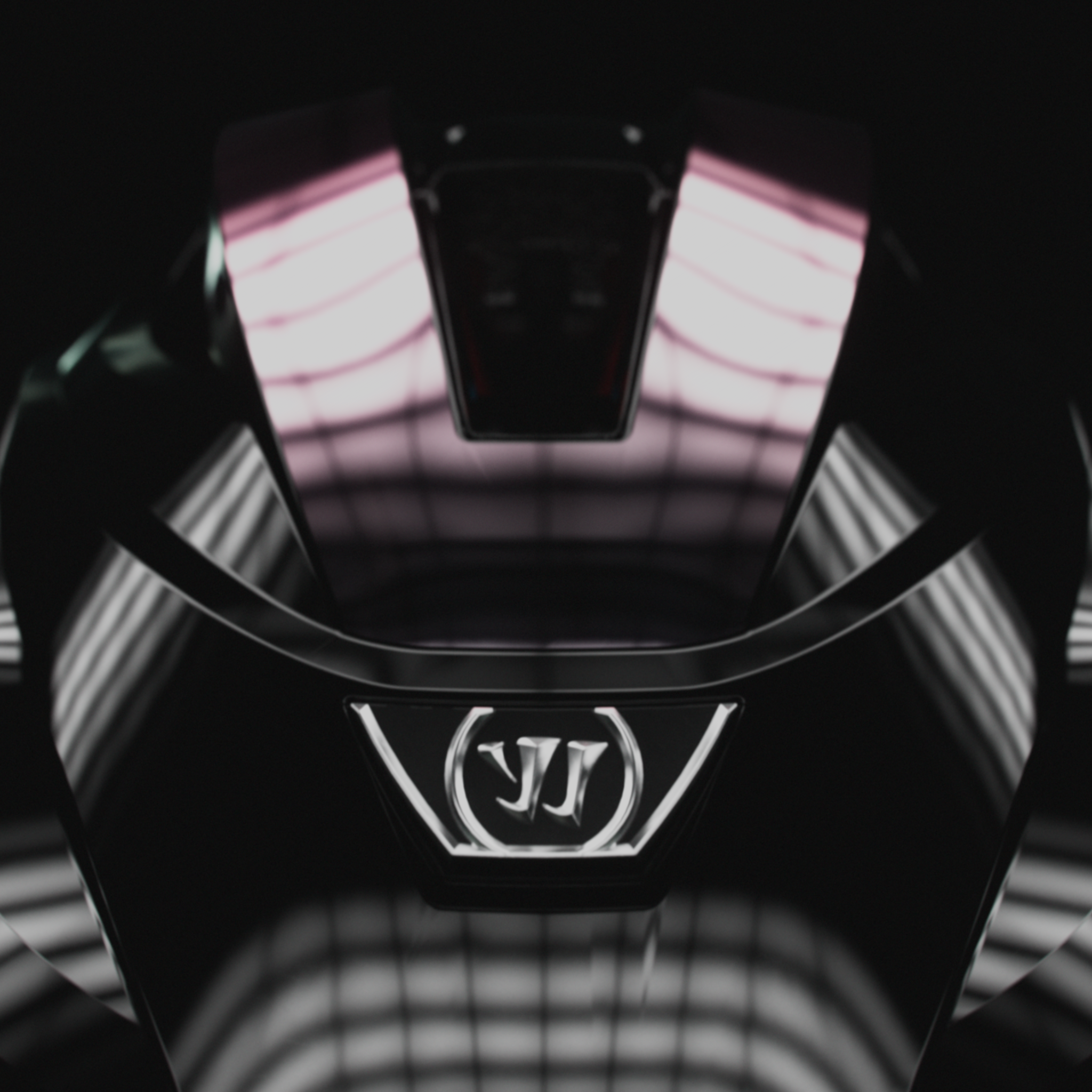
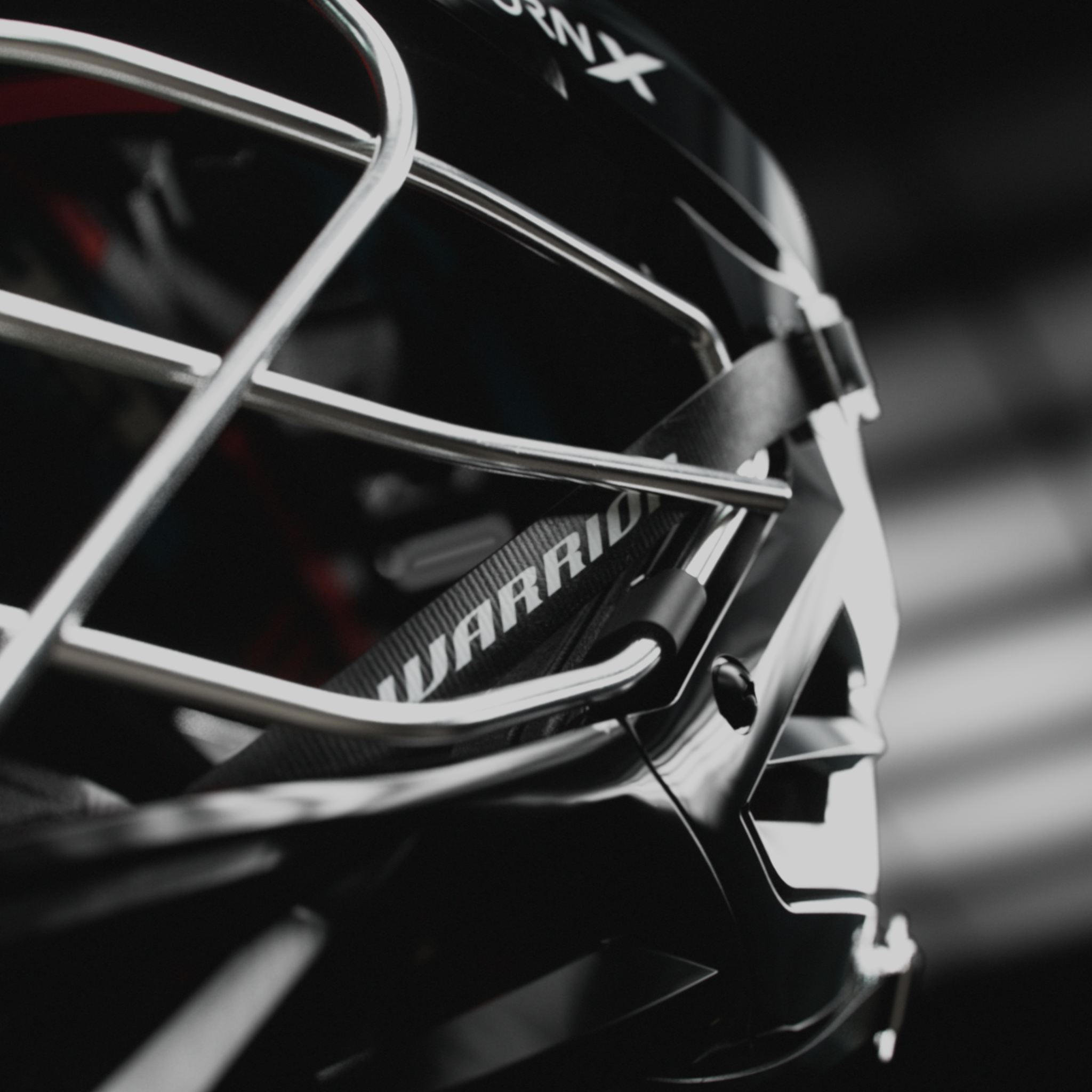
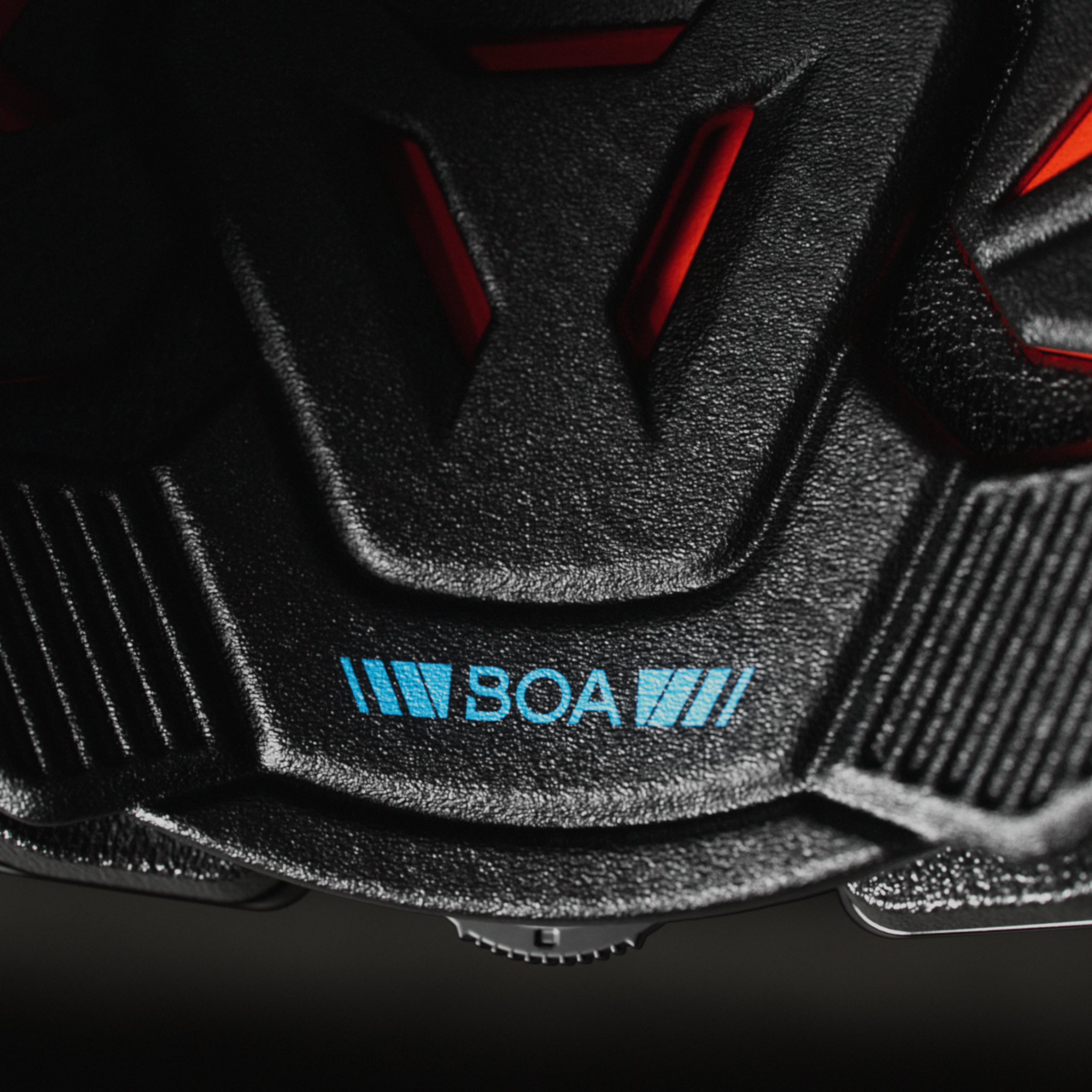
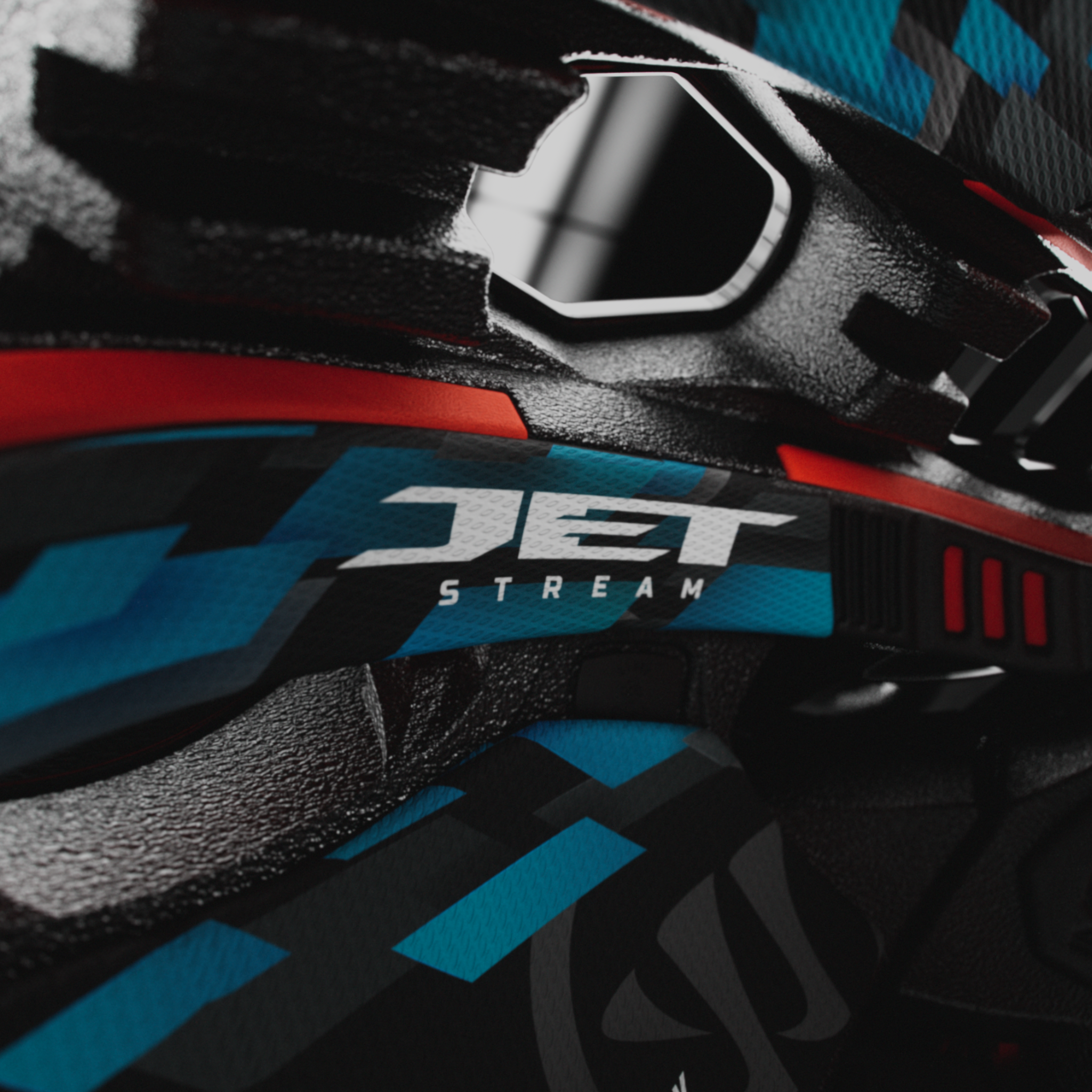
Working from the helmet’s engineering files, I developed physically accurate materials and textures to achieve a photorealistic finish. In parallel, I designed and built a full 3D studio environment based on the live-action set, ensuring a seamless visual match between physical and digital space.
For the live-action version, I prepared and handed off organized 3D renders and elements to an editor, supporting efficient integration between filmed footage and CGI while preserving consistency across both executions.
Challenges & Solutions
Recreating the Live-Action Environment in 3D
A primary challenge was designing a 3D studio environment that precisely matched the physical set used for live-action filming. The transition between real footage and CGI needed to be imperceptible, requiring a one-to-one digital recreation of the space.
To address this, I rebuilt the studio environment in 3D based on the filmed set, carefully matching scale, layout, materials, and lighting behavior. This allowed both the CGI-only and live-action–integrated versions to share a consistent visual foundation.
Coordinating Across Team and Pipeline
With multiple contributors involved, clear communication and file structure were critical, particularly for the live-action integration workflow.
I organized and delivered render passes and assets in a format optimized for editorial handoff, allowing the editor to efficiently composite live-action footage with 3D elements. This ensured smooth collaboration across disciplines while maintaining visual fidelity and motion consistency.
Maintaining Consistency Across Versions and Formats
Delivering both CGI-only and live-action–integrated versions across 16×9 and 9×16 formats required careful planning to preserve framing, hierarchy, and product focus.
The motion system and lighting approach were designed to adapt across aspect ratios and execution types, ensuring a cohesive visual language whether viewed on Instagram or in marketing presentations.
Result
The final deliverables present the helmet through a flexible motion system that supports multiple production approaches, formats, and distribution contexts. By aligning art direction, technical execution, and collaborative workflow, the project delivers a premium, cohesive product narrative suitable for both social and internal marketing use.
Styleframes


Lighting Setup
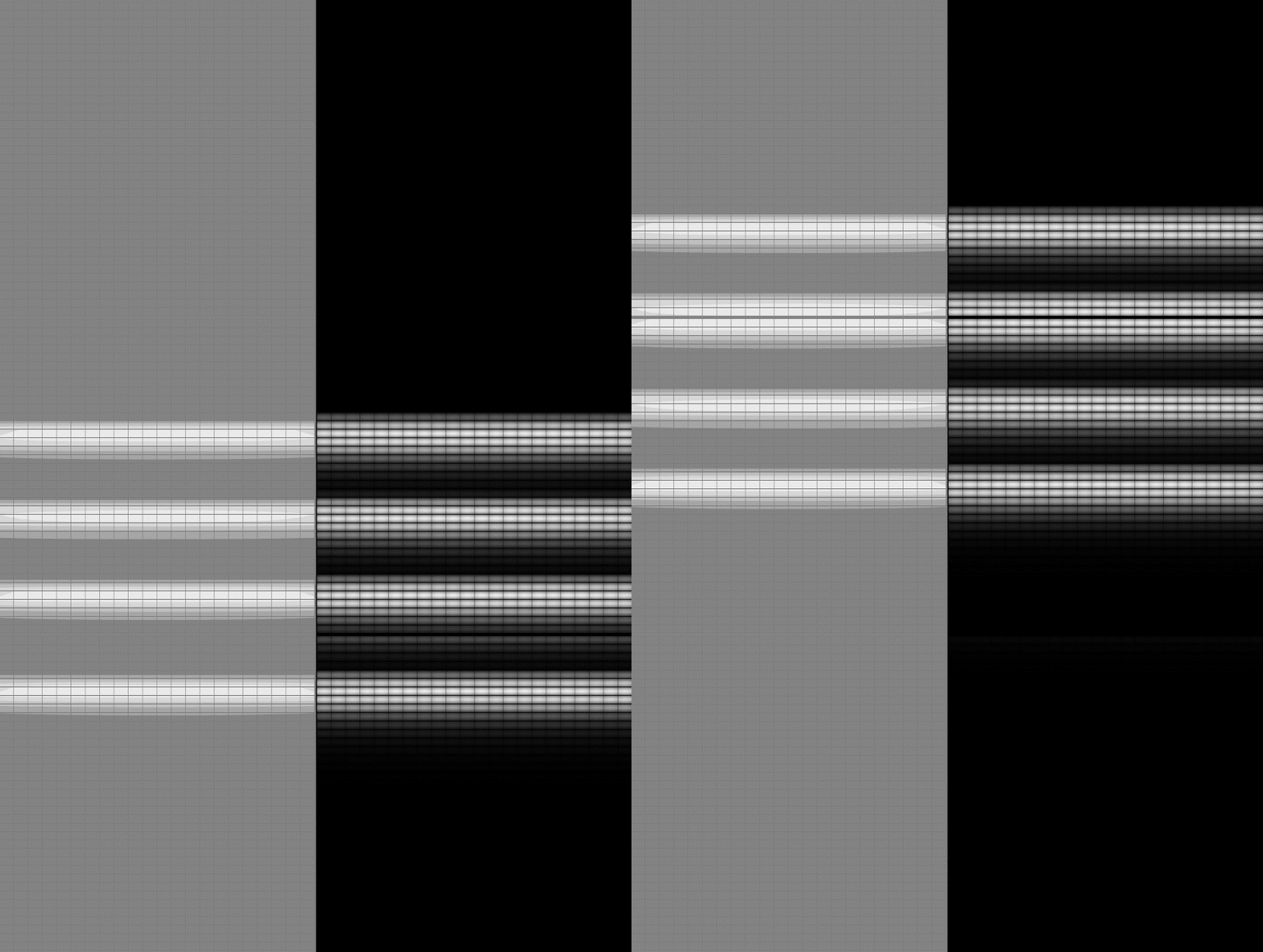
I created a light GOBO in Cinema 4D using cloners and fields to precisely control the vertex color map, allowing for dynamic and customizable lighting effects.
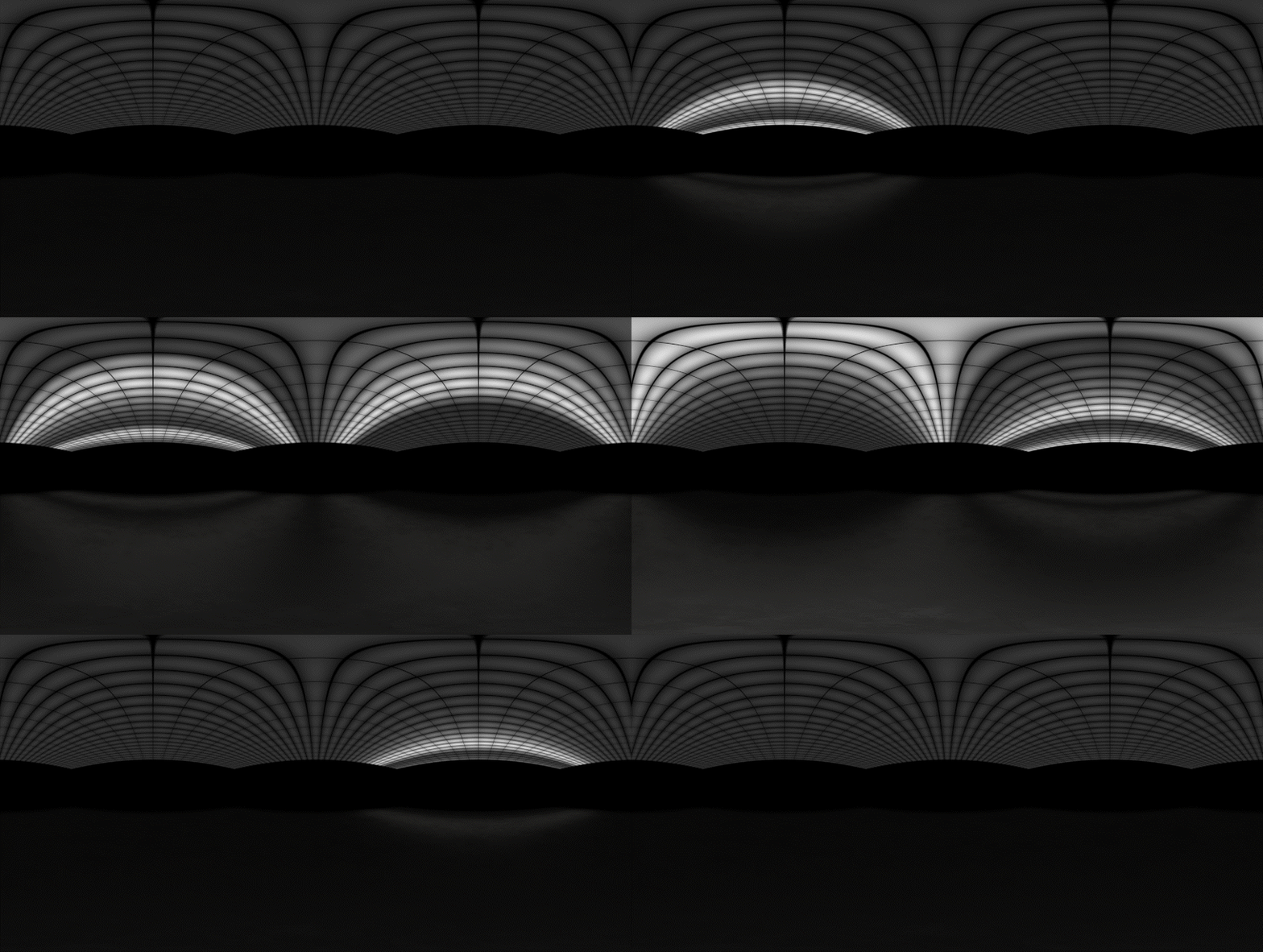
I built the entire room in 3D and utilized the light GOBO to generate an HDRI, ensuring realistic lighting and reflections for seamless integration with the scene.